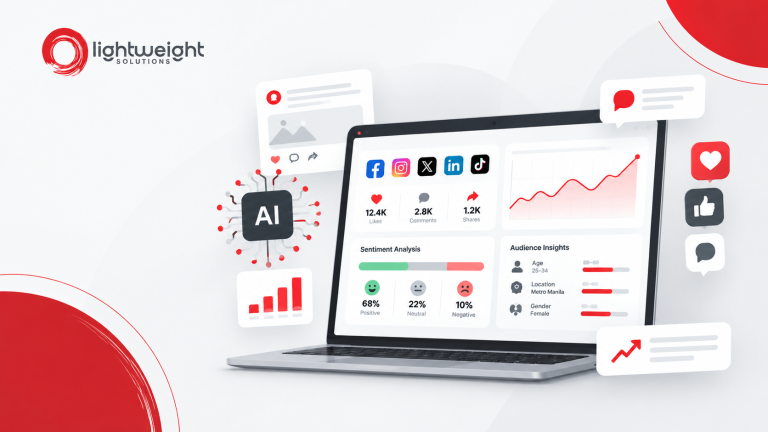

Mobile apps are everywhere from fitness tools and games to banking and shopping platforms. But creating an app is just the first step. To make an app truly successful, developers and business owners need to understand how users engage with it what they love, what confuses them, and what keeps them coming back. That’s where mobile app analytics comes in.
In this detailed guide, we’ll explore why analytics is essential for tracking user engagement, the key metrics that matter most, and strategies developers and brands can use to make data-driven improvements that boost retention, user satisfaction, and growth.
What Is Mobile App Analytics?
Mobile app analytics refers to the process of collecting, measuring, and analyzing data about how people interact with a mobile app. These insights show how users behave, what features they use most, where they drop off in the app, and where improvements are needed.
Rather than guessing why users behave a certain way, analytics gives developers real, measurable data — allowing them to make informed decisions about design, functionality, performance, and marketing.
Why Tracking User Engagement Matters
Tracking user engagement is one of the most important reasons to use analytics in mobile app development. It helps you:
1. Understand User Behavior
Analytics reveals which features users interact with most, how often they open the app, and where they spend their time. This helps developers see what users value and where they struggle.
2. Make Better Decisions
With accurate engagement data, you can decide which features to improve, which to remove, and what to build next. This turns guesswork into data-backed strategy, leading to better user experiences.
3. Improve Retention and Loyalty
By analyzing where users stop using the app or lose interest, developers can tweak the experience to keep users coming back. Reducing churn and increasing engagement are key to long-term app success.
4. Boost Performance Over Time
Tracking engagement over the long term helps you understand trends and measure the results of updates or new features — essential for staying competitive.
Key User Engagement Metrics You Should Track
Analytics tools provide lots of data, but some metrics are more important than others when it comes to user engagement. Here are the top ones developers and businesses should monitor:
1. Daily Active Users (DAU) & Monthly Active Users (MAU)
These metrics measure how many unique users open and use your app each day and month. A high number of active users means people find value in your app and engage frequently.
2. Retention Rate
Retention shows how many users keep using your app over time. A high retention rate suggests users are satisfied and find ongoing value in your app.
3. Session Duration
This tells you how long users stay in your app during each visit. Longer sessions often mean users find the app useful or engaging.
4. Session Frequency & Interval
Frequency measures how often users return, while interval shows the time between app sessions. Together, they reveal how habits form around your app.
5. Churn Rate
Churn tracks how many users stop using your app over time. A high churn rate can signal problems with your app experience or onboarding process.
6. Conversion Rate
If your app has specific goals — like purchases or sign-ups — conversion rate tells you how well users complete those actions.
Focusing on the metrics that align with your app’s goals helps you measure engagement in ways that are meaningful and actionable.
How to Use Analytics to Improve Engagement
Tracking engagement metrics is just the first step. The real value comes from taking action based on insights. Here are practical strategies developers can use:
1. Identify Where Users Drop Off
If analytics show many users leave at a certain screen or step, investigate why that happens. Improving clarity or reducing friction at these points can increase engagement.
2. Personalize User Experiences
Analytics can help you understand different user preferences. Tailored content, recommendations, or interfaces can greatly boost engagement.
3. Optimize Onboarding
First impressions matter. By tracking engagement during the first app sessions, you can refine your onboarding process so new users understand the value of your app quickly.
4. Test and Iterate With A/B Testing
Try different versions of features, layouts, or notifications to see which ones perform better. Over time, A/B testing helps create the experience users enjoy most.
5. Use Engagement Signals to Trigger Messages
You can send targeted notifications or in-app messages based on user actions — for example, a reminder after inactivity. These behavior-triggered messages can re-engage users and improve retention.
Choosing the Right Analytics Tools
To track engagement effectively, you’ll need a reliable analytics tool. Popular options include platforms that support mobile data tracking, behavior analysis, and reporting — often integrated into development workflows. These tools help you gather useful insights without heavy manual work.
Some analytics providers focus on session tracking, error reporting, and user journey visualization, giving teams a complete picture of how people interact with the app.
Better Apps Through Better Insights
Mobile app analytics isn’t just about numbers — it’s about understanding what users want and need, and then acting on those insights to improve your app. Tracking user engagement gives developers a clear view of user behavior, leads to smarter decision-making, and ultimately results in apps that users prefer and recommend.
When analytics is woven into the development process, from design to updates, apps become more stable, user-friendly, and successful in a competitive market.
Mobile analytics is an essential part of modern app development. It lets you:
- Measure how users interact with your app
- Identify strong features and friction points
- Make decisions based on real data
- Boost engagement and retention over time
- Grow your user base and business potential
Analytics turns data into insight and insight into better app experiences. When you build apps that people enjoy using and keep coming back to, you increase the chances of long-term success.
Ready to Turn Insights Into Impact with a Custom Mobile App?
Understanding user engagement through analytics is powerful, but the real advantage comes when you use those insights to build an app that keeps users coming back. At Lightweight Solutions, we don’t just track data, we build mobile apps that deliver results. Our expert team combines strong user engagement strategies with tailored design and development to help your business grow, improve retention, and unlock real ROI from your app.
Whether you need a new mobile app built from scratch, help implementing analytics tools, or ongoing optimization support, we’ve got you covered.
Visit www.lightweightsolutions.co/mobile-app-development to learn more.